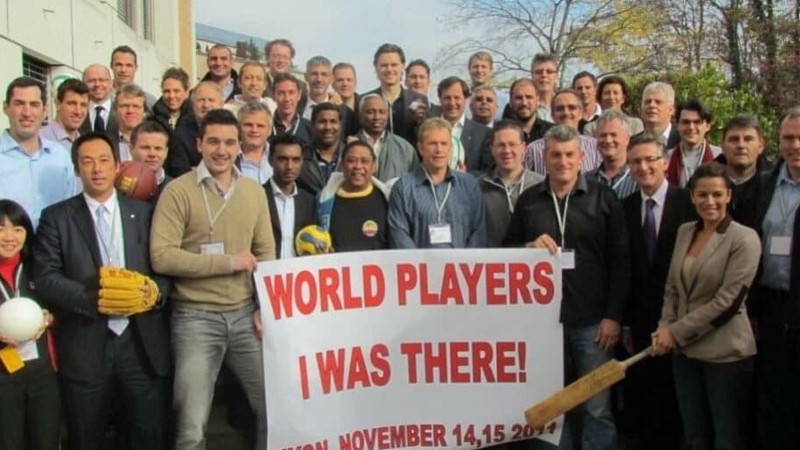
The decision by the ILO Governing Body comes days before the 15th anniversary of the Nyon Declaration, in which athlete associations first called for their rights as citizens and workers to be respected.
The Guidelines are available on the ILO website
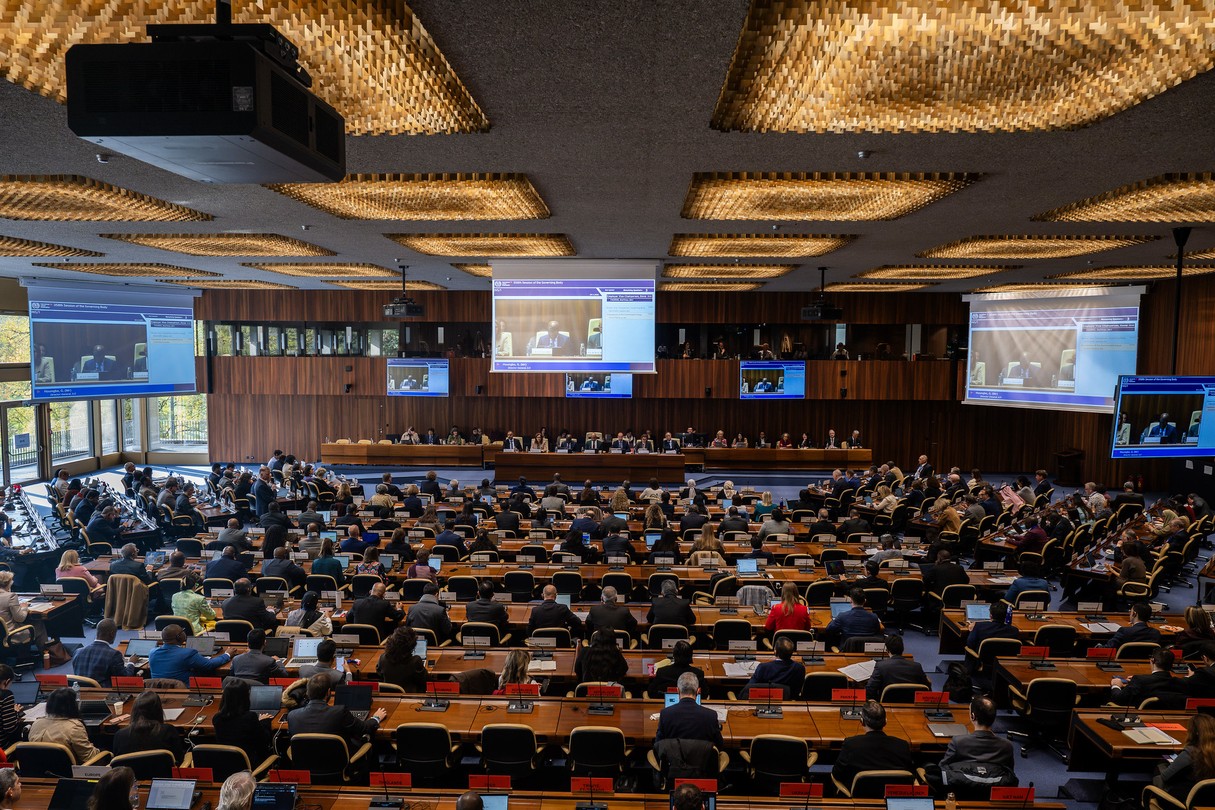
The Governing Body of the International Labour Organization (ILO) has approved the ILO Guidelines for the promotion of fundamental principles and rights at work and the prevention and elimination of violence and harassment for professional athletes. The decision, taken at the Governing Body’s 358th Session on 12 November 2026, authorises the ILO Director-General to publish the Guidelines.
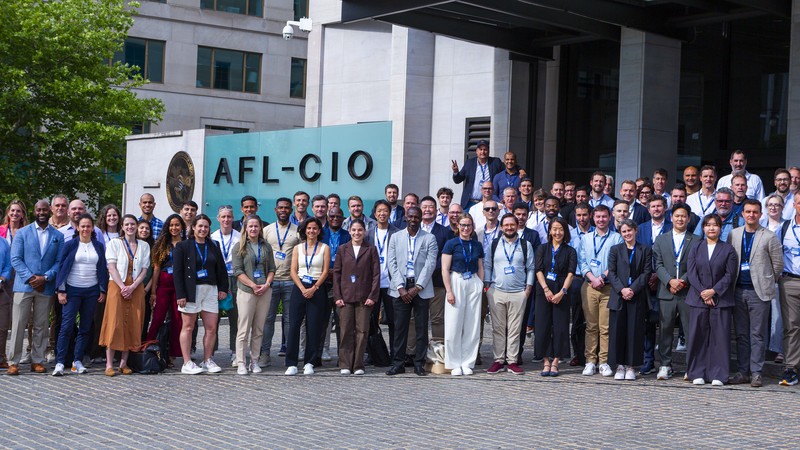
The Guidelines were adopted on 6 March 2026 at an ILO Meeting of Experts in Geneva, following five days of discussions among experts nominated by governments, employers and workers. They are the first ILO guidelines dedicated to the labour rights of professional and high-level athletes.
The Guidelines apply to professional and high-level athletes and athletes in high-level sport, across team and individual sports. They set out how the ILO’s fundamental principles and rights at work apply in sport: freedom of association and the effective recognition of the right to collective bargaining, the elimination of forced labour, the abolition of child labour, equality and non-discrimination, and a safe and healthy working environment. They also address the prevention and elimination of violence and harassment, including gender-based violence and harassment, in line with the Violence and Harassment Convention (No. 190).
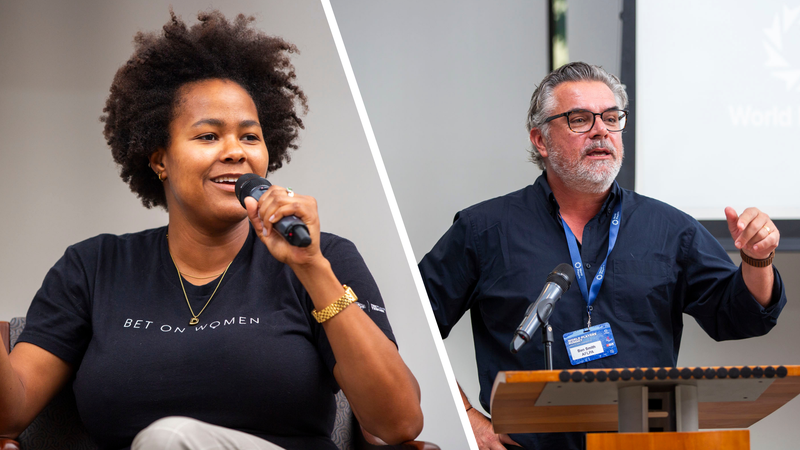
“The adoption of these guidelines fundamentally changes the framework for sports governance,” said Walter Palmer, Executive Director of World Players. “They represent an internationally agreed framework that shifts the perspective from the institutions that govern sport to the people who participate in it. There are only two kinds of athletes: recreational athletes and working athletes. Working athletes are those who participate in high-level sport or train intensively to reach that level, where their participation creates economic value for others. They are entitled to fundamental rights at work, regardless of whether they have an employment contract, receive payment, or how they are labeled or classified.”
Among their provisions, the Guidelines recognise athletes’ freedom to choose and pursue employment, and state that transfer and mobility rules should comply with national and international law and be the outcome of social dialogue. They recognise athletes’ right to withdraw from situations presenting an imminent and serious danger to their life or health, the protection of medical and biometric data, and athletes’ right to universal social protection. They also state that rest, recovery and workload should be established through social dialogue, and that anti-doping sanctions should follow due process, including making legal counsel available to accused athletes.
Like all ILO sectoral guidelines, they are not legally binding. They serve as a reference tool for governments, employers and workers, and can be implemented progressively, adapted to national contexts.
“Governments now have a roadmap to bring sport into line with international labor standards,” Palmer said. “Independent athlete representation, social dialogue and collective bargaining provide the means to make these rights a reality, creating accountability, transparency and legal stability grounded in democracy and the rule of law.”
The approval comes as World Players marks 15 years since the Nyon Declaration. On 15 November 2011, more than 100 player associations, representing over 150,000 athletes, met at the World Athletes Summit in Nyon, Switzerland, and unanimously adopted a declaration calling for respect for athletes’ rights as citizens and workers, the right to organise collectively and a meaningful role in decisions affecting them. It laid the foundations for World Players.
The focus now is implementation: translating recognition into national laws, collective agreements and effective protections. Priorities include strengthening independent player associations and collective bargaining, greater support in regions where representation and protections remain underdeveloped, effective remedies, and filling gaps in global protection through further standard setting.
 Related news