On International Workers' Day, World Players releases the first-ever practical toolkit for player associations to identify and respond to union busting and union avoidance strategies that are undermining athletes’ collective voice across global sport.
Union busting is not a new phenomenon in sport. For many player associations around the world, it remains a persistent and evolving challenge – with many common elements across regions, disciplines, and governance structures. From professional football (soccer) to US college sports, to the Olympics, athletes and their union representatives continue to navigate environments where the exercise of their freedom of association rights is met with resistance, both direct and indirect.
Today, on International Workers' Day, World Players publishes Union Busting in Professional Sport: Strategies for Player Associations — the first toolkit of its kind in global sport. Designed to support player associations in recognising, assessing and responding to anti-union conduct. The report draws on a wide range of case studies across football, basketball, rugby, cricket, and other economic sectors. While the tactics may vary, the report highlights recurring patterns that can be identified and addressed with the right tools and coordination.
A Growing, Organised Challenge
The report identifies an important shift: while union-related tensions have long existed in sports, there is increasing evidence of more structured and coordinated approaches aimed at limiting or influencing collective player representation.
In high-level sport, these dynamics can be shaped by the structure of the industry itself, where governing bodies and club ownership often hold significant influence over competition access, player licensing, and commercial opportunities. In this context, player associations may encounter forms of pressure or resistance that are not always immediately visible but can still affect their ability to operate independently and effectively.
The toolkit distinguishes between legitimate hard bargaining — which can involve difficult and adversarial negotiations — and conduct that may seek to bypass, weaken, or replace player associations. Understanding this distinction is central to ensuring that player representation remains meaningful and effective.
What the Report Covers
The toolkit maps union-related challenges across three levels — direct, indirect, and international — and provides practical guidance for player associations, including:
- Early indicators to help identify emerging patterns of anti-union activity.
- A traffic-light assessment framework (green/amber/red) to guide decision making and response strategies.
- A step-by-step playbook covering internal organisation, legal approaches, public positioning, and collaboration with the broader labour movement.
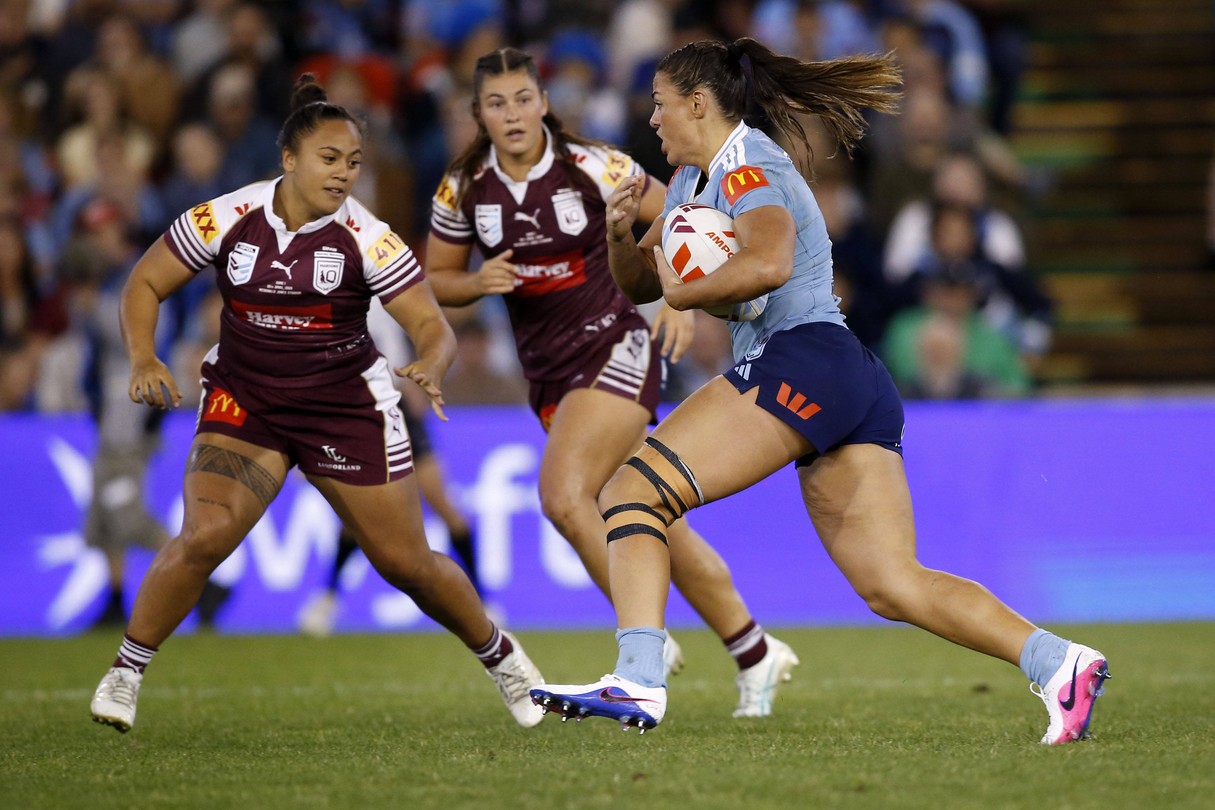
- Case studies from Korea, the United States (Dartmouth, UFL, Starbucks, Amazon), Australia (NRL-RLPA), FIFA, and the Olympic movement.
- A support map identifying who to call and what they can provide — from FIFPRO regional divisions and WPA to national trade union confederations and ILO complaint mechanisms.
“We believe that collective bargaining (social dialogue) is the solution to many of the problems facing global sport today. However, without access to their freedom of association rights, or where yellow unions are formed, high level athletes are much more likely to be exposed to precarious working conditions. Union busting and union avoidance strategies are disturbingly common and not compatible with how sport competition organizers present themselves to the public.”
Walter Palmer, Executive Director, World Players
Grounded in International Labour Standards
The report is grounded in the international legal framework protecting the right to organise, including the ILO Conventions Nos. 87 and 98 on freedom of association and collective bargaining.
It also builds on the ILO Guidelines on Fundamental Principles and Rights at Work and Violence and Harassment in Sport, adopted in March 2026. These guidelines represent the first tripartite international framework confirming that high level athletes — regardless of their contractual classification — have the right to form and join organisations of their choosing and should be protected against anti-union discrimination.
When clubs, leagues, federations, or governing bodies try to prevent players from organising, retaliate against union activity, or create alternative bodies, such as athlete commissions, to bypass a player association, they are not simply taking a tough negotiating position, they are undermining internationally recognised workers' rights — rights that now explicitly apply to high level athletes.
International Labour Day
The publication of this report on International Workers’ Day reflects the broader history of workers’ efforts to organise collectively and secure fundamental rights.
High level athletes are part of this global context. As the structures of sport continue to evolve, so too does the importance of ensuring that athletes have the tools and support needed to organise, be represented, and participate meaningfully in shaping their working conditions.
This toolkit is intended as a practical contribution to that effort — supporting player associations as they navigate an increasingly complex and interconnected global sports landscape.
Credit photo: IMAGO / AAP