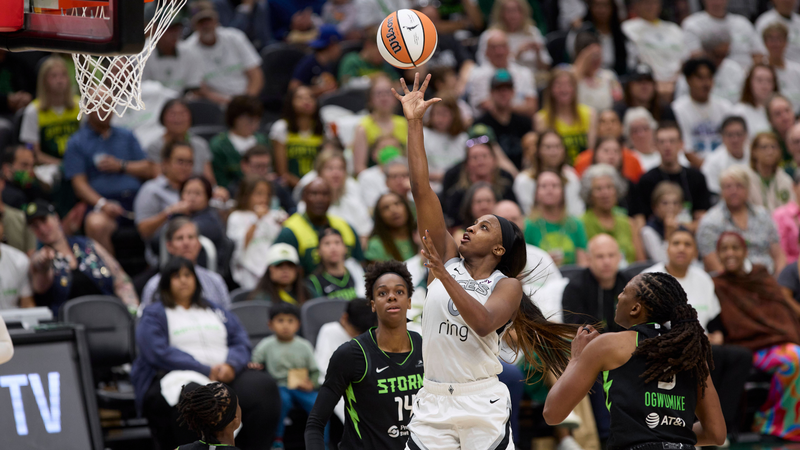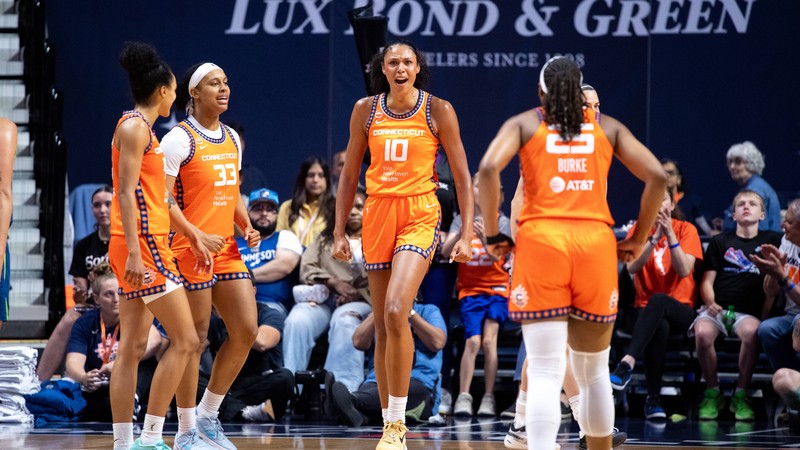
The Women's National Basketball Association is experiencing an unprecedented moment of growth. Attendance records have been broken both in total numbers and per game, franchise valuations have surged, and new expansion teams are commanding historically high investment fees, highlighting the league's rising commercial value and global relevance.
During the 2025 season, more than three million fans attended WNBA games before the playoffs, making it the most successful season in league history by many measures. Franchise values have increased dramatically—the New York Liberty, purchased in 2019 for less than $15 million, are now valued at approximately $450 million, while recent expansion teams have reportedly paid $250 million each to join the league. Some franchises are projected to generate more than $70 million in annual revenue.
Despite this rapid growth, player compensation has not kept pace. The previous collective bargaining agreement expired on October 31, 2025, and after two negotiating extensions—first to November 30, then to January 9, 2026—the parties have entered a "status quo" period without reaching a new agreement. The expired CBA did not guarantee WNBA players a fixed percentage of league revenue—unlike the NBA, where players receive approximately 50 percent of basketball-related income. While the league's revenues have grown substantially, the share allocated to players has actually declined in recent years, reinforcing a persistent gender pay gap in professional basketball.
The players are united in demanding significant structural change to this model, not minor adjustments. "Players understand their worth; they understand their value. That's what we want. It's what we deserve," said WNBPA president Nneka Ogwumike. The disparity is further underscored by the league's ownership structure: the National Basketball Association owns a substantial stake in the WNBA, with several ownership groups operating teams across both leagues, intensifying calls for greater transparency and fair revenue sharing.
The WNBA players' fight for equity has resonated far beyond basketball. Player associations across the United States and internationally—all members of the World Players Association—have rallied behind the WNBPA, recognizing that this collective bargaining negotiation could have transformative impacts on the women's sport landscape around the world.
As the global voice of organised players, the World Players Association supports WNBA players in their pursuit of fair pay, transparency and equitable revenue sharing. Sustainable growth in women's sport must include players as true partners in success, ensuring that the athletes driving record attendance, rising revenues and increased franchise values receive a fair share of the value they create.
 Related news