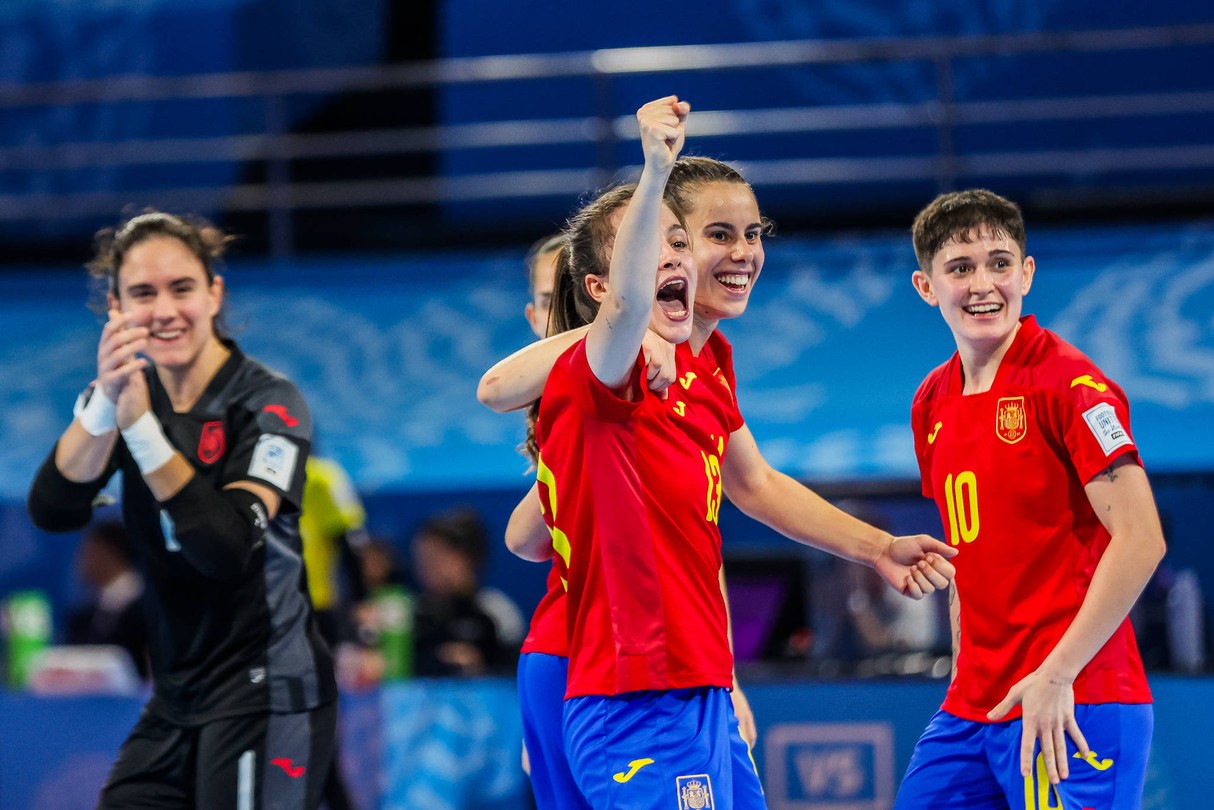
Captains from participating teams warn that condensed match schedules may compromise recovery, increase injury risk and fall short of basic standards for player health and safety.
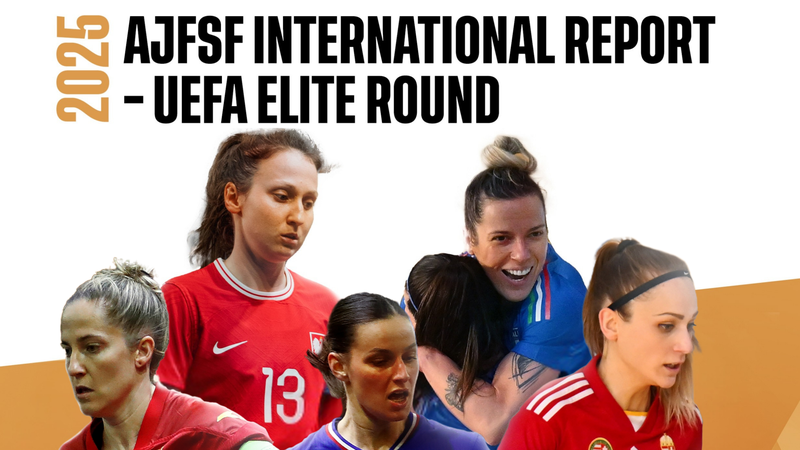
Players competing in Spain’s Copa de la Reina futsal tournament have raised concerns over match scheduling, pointing to the impact that compressed timelines may have on recovery, performance and overall player welfare.
The position, led by the Asociación de Jugadoras de Fútbol Sala (AJFSF) and supported collectively by the eight team captains participating in the competition, highlights the demands placed on players who could be required to compete in multiple high-intensity matches within a short period of time — including the possibility of playing two matches in less than 24 hours, and up to three within 48 hours.
According to the players, such conditions significantly limit recovery time between matches, increasing the risk of muscular, skeletal and neurological injuries. Concerns are further heightened by the timing of the final, scheduled for 10:30am, which would require players to begin their preparation early in the morning, further affecting rest and recovery cycles.
While acknowledging the role of broadcast arrangements in shaping competition schedules, players have called for adjustments that better balance visibility with the physical demands of elite performance.
The AJFSF has also noted that decisions regarding match scheduling were made without formal consultation with player representatives, raising broader questions around participation and dialogue in decision-making processes that directly affect working conditions.
Their collective message underscores a central concern: elite competitions must be structured in a way that safeguards player wellbeing, rather than placing it at risk.
From a World Players perspective, this situation reflects a broader challenge across sport: ensuring that competition formats and commercial considerations do not come at the expense of player health and safety. Meaningful dialogue with player representatives — including organizations such as the Asociación de Jugadoras de Fútbol Sala (AJFSF) — and the incorporation of their voices in decision-making are essential to building sustainable competitions that protect athletes’ rights as workers.
Photo credit: IMAGO / Xinhua
 Related news